WHY MAKE IT
A little comfort, a lot of flavor.
Skillet Honey Cornbread strikes an ideal balance between rustic Southern corn flavor and a delicate, tender cake-like crumb. Baking in heavily preheated cast iron creates a deep golden exterior crust that contrasts with a moist, fluffy center. While traditional regional variations frequently skip sugar, this adaptation pairs sweet wildflower honey with granulated sugar and rich sour cream, which softens the cornmeal's natural graininess and locks in lasting moisture. The inclusion of medium-grind cornmeal provides pleasant structural bite without feeling gritty. Sliced warm into generous wedges, it stands as an indispensable companion to smoky barbecues, braised greens, and spicy slow-cooked beans.
Cornmeal Grind Selection
The choice of cornmeal directly influences the final crumb texture. Fine cornmeal can make cornbread taste overly cake-like and soft, while coarse stone-ground cornmeal may remain unpleasantly gritty if not pre-soaked in hot milk. A medium-grind yellow cornmeal provides the ideal balance, yielding an assertive corn aroma, attractive golden color, and satisfying crumbly texture. Pairing cornmeal with all-purpose flour ensures the bread develops sufficient gluten structure to hold together cleanly when cut into wedges without crumbling apart into loose grains.
Moisture Retention via Sour Cream
Cornmeal naturally absorbs substantial amounts of liquid during baking, which can easily leave cornbread dry and chalky if the moisture balance is off. Introducing sour cream into the wet base provides both lactic acid and rich milkfat. The acidity tenderizes the wheat flour's gluten strands, resulting in an exceptionally tender crumb, while the fat buffers the starch particles against drying out under high oven heat. This keeps the cornbread wonderfully soft and sliceable for days, eliminating the dry texture common to leaner cornbread recipes.
Cast-Iron Cooking Dynamics
Cast iron possesses exceptional thermal mass, allowing it to retain and radiate intense, even heat throughout the baking cycle. By preheating the skillet to 400°F (204°C) prior to filling, you initiate baking from the bottom upward the exact moment the batter makes contact. The melted butter foams and fries the outer edge of the batter, creating a distinctive golden-brown crust with delicate crunch. This thermal efficiency also encourages a rapid rise, giving the loaf a rounded crown without drying out the interior.
Before you start
Preheating the cast-iron skillet before adding the batter is non-negotiable for achieving a classic crisp bottom crust. When the reserved tablespoon of butter meets the hot iron, it browns lightly and forms a protective, sizzling barrier. When the room-temperature batter hits the pan, the bottom immediately sets and sears, preventing sogginess and ensuring that each wedge releases effortlessly with a golden, crackling foundation.
THE RECIPE
Skillet Honey Cornbread
8 servings · 15 minutes preparation · 24 minutes cooking · 15 minutes cooling, chilling or resting
Ingredients
Step-by-step instructions
- Place a 10-inch cast-iron skillet on the middle oven rack and preheat the oven to 400°F (204°C), allowing the skillet to heat thoroughly for at least 15 minutes alongside the oven.
- In a large mixing bowl, whisk together the medium-grind yellow cornmeal, all-purpose flour, baking powder, fine sea salt, and granulated sugar until evenly blended.
- In a separate medium bowl, whisk the honey, room-temperature eggs, whole milk, sour cream, and 115 grams of melted unsalted butter until the mixture is uniform and smooth.
- Pour the wet mixture into the dry cornmeal blend. Fold together with a silicone spatula just until combined and dry streaks vanish; do not overwork the batter.
- Carefully remove the blazing hot cast-iron skillet from the oven using heavy oven mitts. Add the reserved 15 grams of unsalted butter directly into the skillet, swirling until completely melted and coating the bottom and sides.
- Immediately scrape the cornbread batter into the sizzling skillet, smoothing the top quickly with a spatula.
- Return the skillet to the 400°F (204°C) oven and bake for 22 to 24 minutes, until the edges are deep golden brown, the top springs back when lightly pressed, and a wooden toothpick inserted into the center comes out clean. Rest in the skillet for 15 minutes before slicing into wedges.
Kitchen notes
Preheating the cast-iron skillet before adding the batter is non-negotiable for achieving a classic crisp bottom crust. When the reserved tablespoon of butter meets the hot iron, it browns lightly and forms a protective, sizzling barrier. When the room-temperature batter hits the pan, the bottom immediately sets and sears, preventing sogginess and ensuring that each wedge releases effortlessly with a golden, crackling foundation.
Storage & make-ahead
Cool the cornbread, then refrigerate wedges in an airtight container within 2 hours and use within 4 days. For longer storage, freeze wrapped slices for up to 2 months. Reheat slices in a 350°F (177°C) oven until warm through. In hot conditions above 90°F (32°C), refrigerate perishable food within 1 hour.
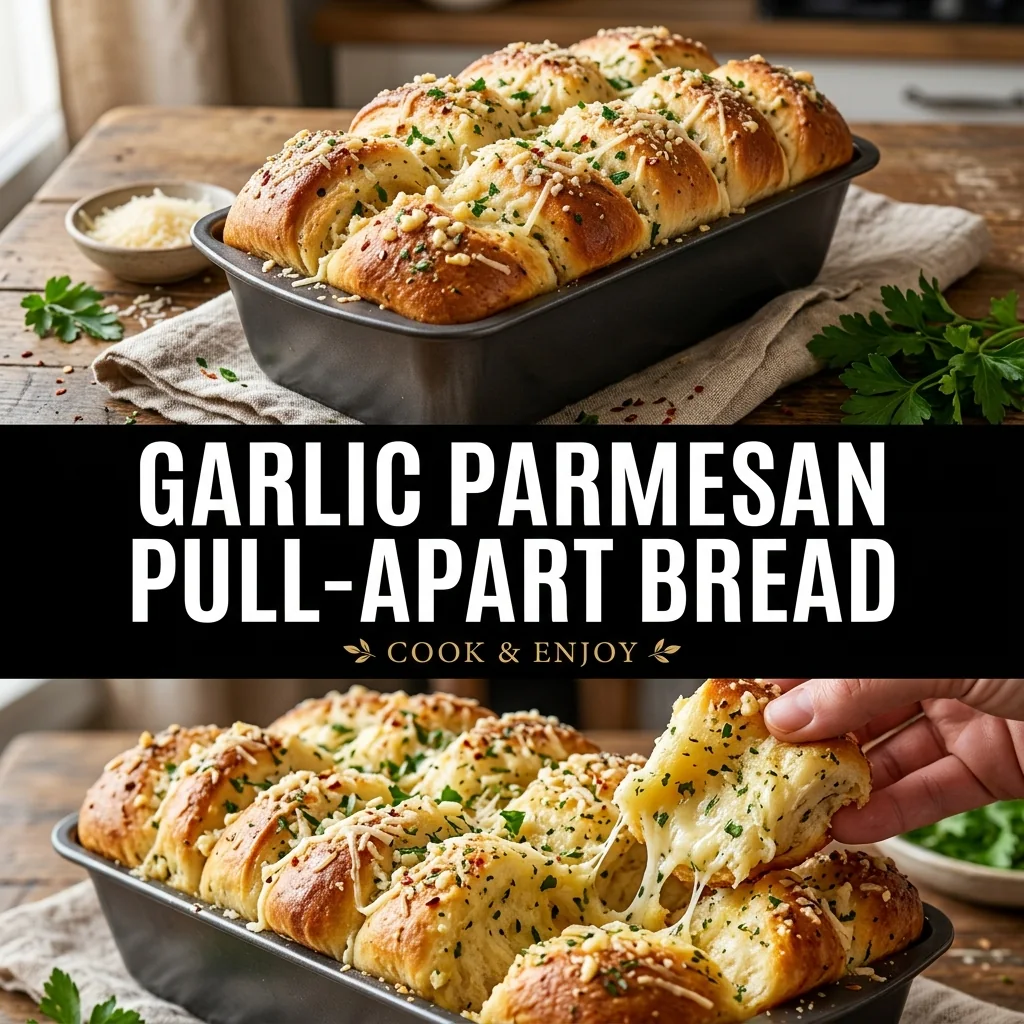
An original recipe guide inspired by themes in our Pinterest research. Recipe has not been independently kitchen-tested. AI-generated image is illustrative; your finished dish may look different.
Frequently asked questions
Can I bake this cornbread in a standard baking dish?
Yes, you can use a 9-inch square metal or glass baking pan. Preheat the pan carefully if metal, or simply grease thoroughly if glass. Bake at the same temperature for 22 to 25 minutes, noting that the crust will be slightly less crisp than cast iron.
Can I reduce the sweetness of the cornbread?
You can eliminate the granulated sugar entirely and reduce the honey to 2 tablespoons for a more traditional savory profile. The texture will remain tender due to the butter, milk, and sour cream, making it suitable for pairing with savory barbecue sauces.
Why is my cornbread crumbly when sliced?
Cornmeal contains no gluten, so cornbread naturally has a looser crumb than wheat bread. However, slicing the bread while steaming hot causes it to fall apart. Allowing it to rest for the full 15 minutes lets the internal starches set for clean wedges.